Flora & Conservation
Explore the Wildflower Show
Two Habitats. One Wildflower Heartland.
Overview
Darling’s wildflower landscape lies within the heart of the Cape Floristic Region, one of the world’s richest and most biologically diverse hotspots. Though geographically small compared to other floral kingdoms, it contains an extraordinary concentration of species — most of them endemic, meaning they occur nowhere else on Earth. This remarkable diversity is the result of ancient soils, Mediterranean-type rainfall patterns, fire-adapted ecosystems, and millennia of ecological evolution.
The Darling area is known for its unique convergence of Fynbos vegetation types that are representative of Renosterveld, Sand Fynbos and Strandveld. Together, these ecosystems form a complex ecological network that supports pollinators, insects, birds, and soil life — all interdependent in maintaining the health of the veld. Their survival depends on responsible land management, ecological restoration, and informed community participation.
The Darling Wildflower Society works to raise awareness about the biodiversity that make this region unique and irreplaceable. Through education initiatives, guided walks, partnerships with reserves and landowners, and support for research and monitoring, the Society seeks to strengthen conservation from the ground up. By connecting people to place — and beauty to responsibility — we aim to ensure that Darling’s floral heritage remains vibrant for generations to come.
To protect what we love, we must first know it
Ecosystems at the Wildflower Show
Three Fragile Ecosystems — One Shared Future.
Fynbos Vegetation Types Explained
Renosterveld is characterised by fertile clay rich soils, supporting a spectacular diversity of bulbs, annuals, shrubs and small trees that transform into vibrant mosaics of colour each spring. The name of the Swartland region is derived from the dark colour of the Renosterveld during the summer months when scorching temperatures makes the vegetation appear almost black in places. Lying dormant for most of the year, Renosterveld plants have evolved to respond to seasonal rainfall and periodic fire, emerging in remarkable abundance after winter rains flowering only for a short 8 – 10 week period between August and October. Seasonal wetlands and ephemeral pans further enrich this landscape, creating specialised microhabitats where rare and delicate flowering plants thrive in brief but breathtaking displays. These transient pockets of moisture support species that are finely tuned to their weather, producing short-lived yet unforgettable bursts of colour.
Sand Fynbos occurs on ancient soils, leached clear of most nutrients leaving behind deep, white sandy flats and a mega-diverse finely leaved shrubland. This purely fire driven ecosystem hosts its own distinctive suite of species dominated by Proteas, Ericas and Restios that flower year-round. Invasive alien vegetation, specifically Port Jackson (Acacia saligna) infests much of this unique lowlands habitat impacting on water tables and changing the fire dynamics driving many species towards extinction. Our region falls within the Dassenberg centre of endemism stretching from Melkbos to Darling to Yzerfontein containing unique plant species in particularly high concentrations even when compared to other Fynbos types.
Strandveld ecosystems generally occur close to the coast on recent, wind-blown alkaline sands. Common features include large dune systems, rocky limestone ridges and wetlands in the dips between dunes. The vegetation is extremely dense and dry but surprisingly fire resistant containing a diversity of succulents and annuals but is dominated by a few large, berry-producing shrubs requiring birds and small mammals for pollination, seed dispersal and nutrient cycling. Dune ridges in Strandveld often have a natural fire cycle of 50 – 100 years, but the dune slacks and wetlands would burn more frequently around 10 – 15 years apart. Historically large mammals such as eland would have moved through the Strandveld opening up pathways and grazing lawns where a diversity of bulbs and grasses would flourish.
Conservation
The lowlands of the Cape West Coast represent some of the most threatened vegetation types in South Africa. Most of our natural Fynbos areas today survives largely in fragments — on private farms, in protected reserves, and in carefully managed conservation areas — where dedicated stewardship is essential to its continued survival. Our remaining natural areas face ongoing pressure from agriculture, infrastructure expansion and development, making conservation on private and community land vital. Protecting these ecosystems requires collaboration between landowners, researchers, volunteers and conservation organisations. Through responsible land management, alien vegetation control and continued awareness, the remaining fragments of Renosterveld, Sand Fynbos and Strandveld can be safeguarded — ensuring that Darling’s wildflower heritage endures for generations to come.
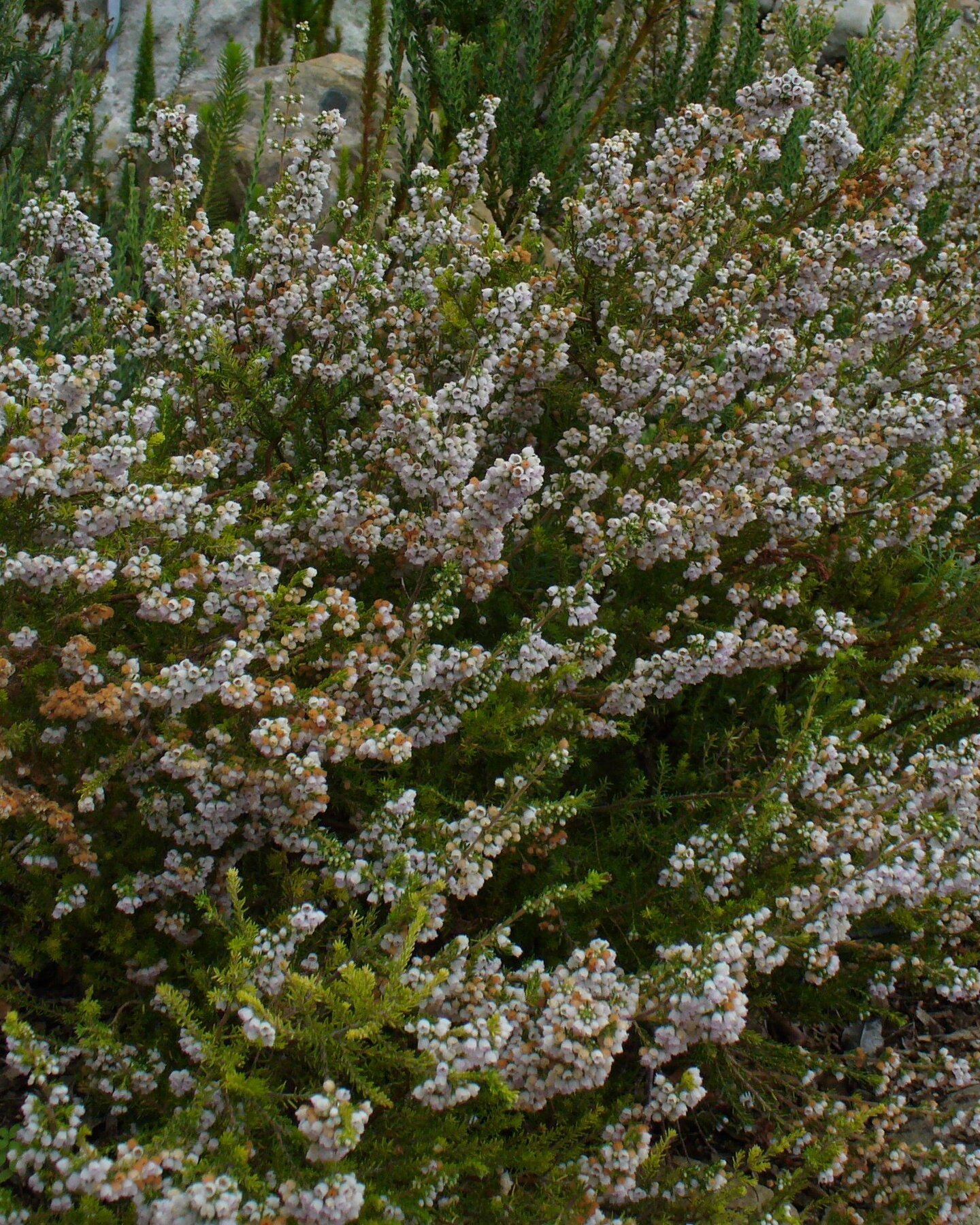
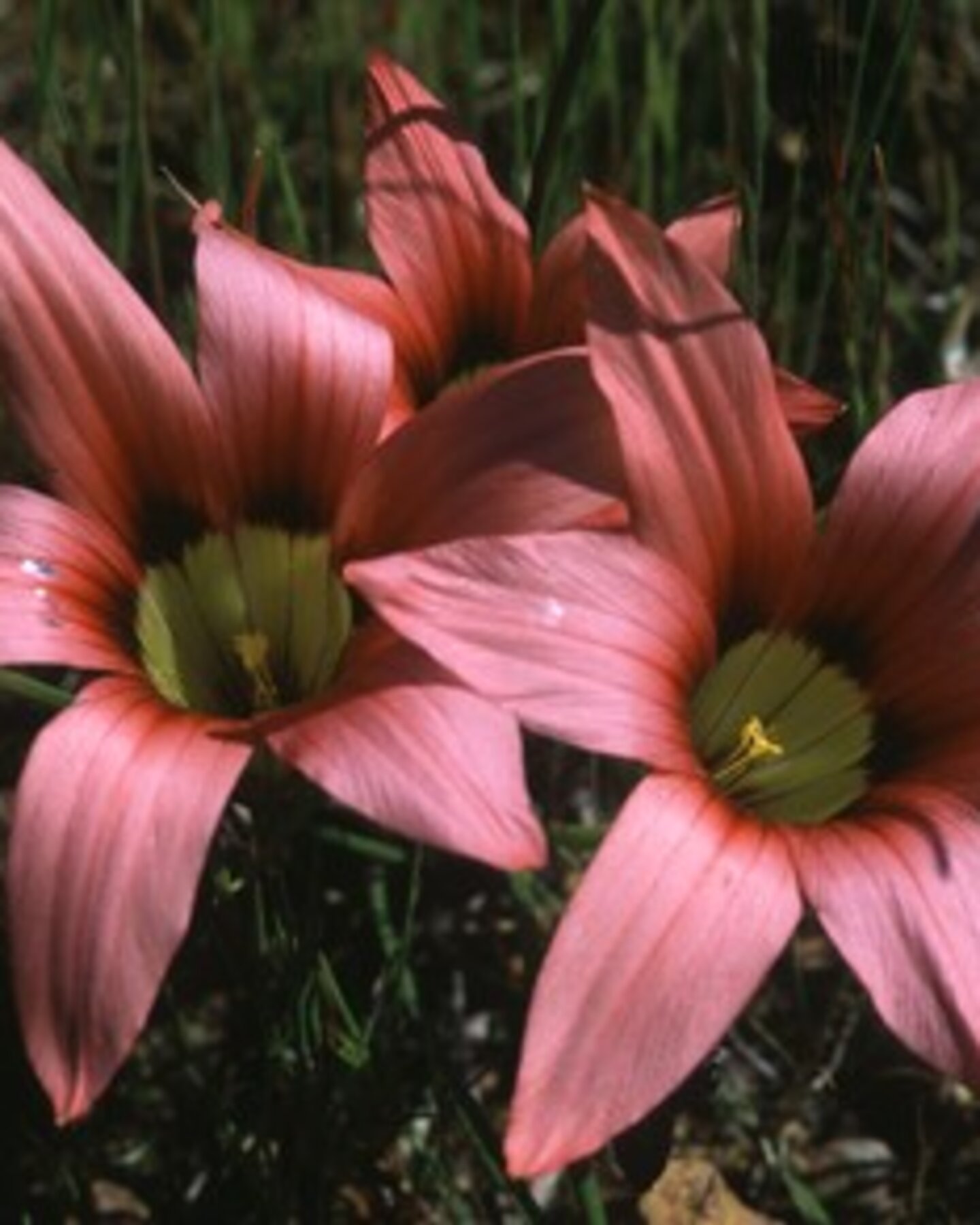
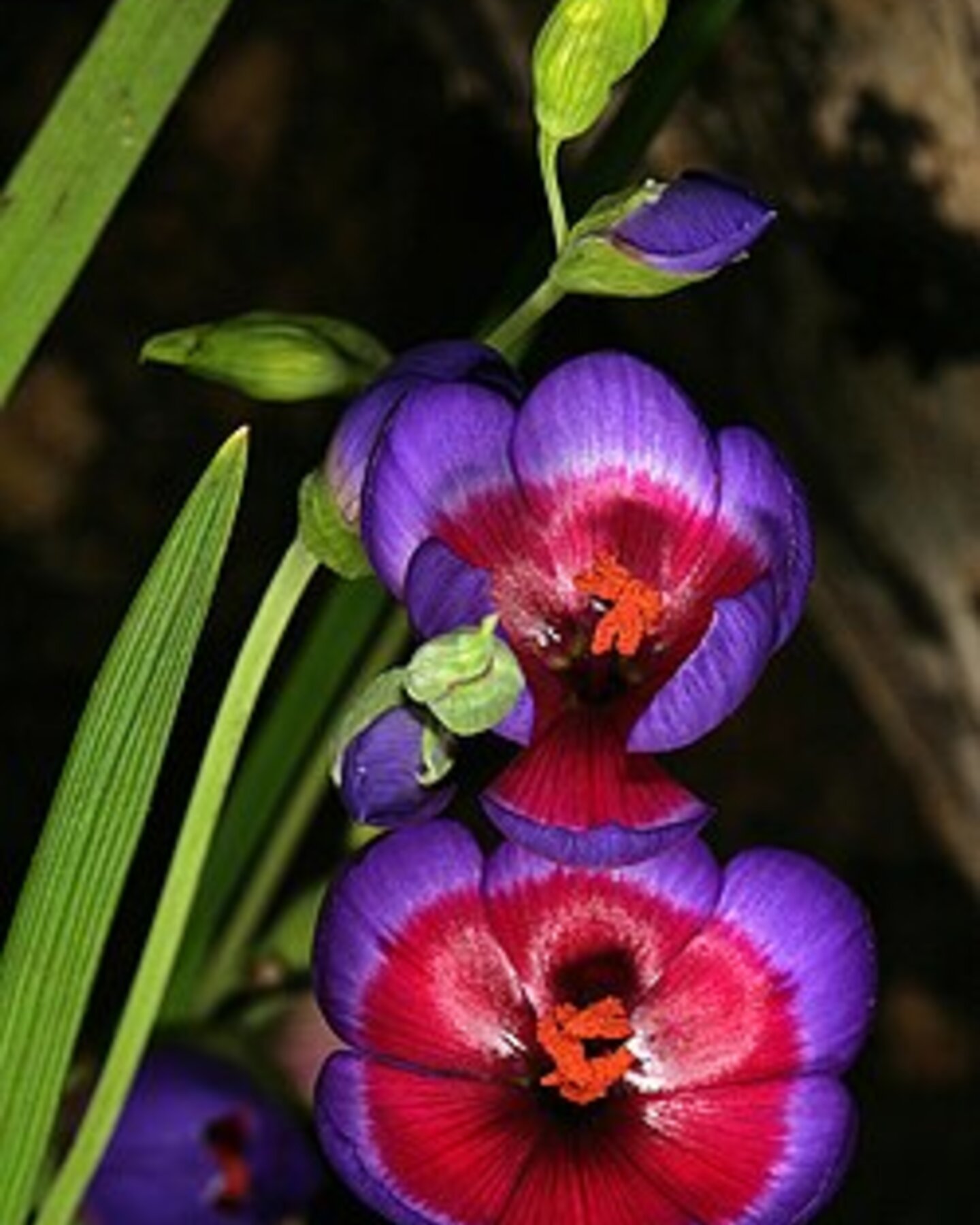
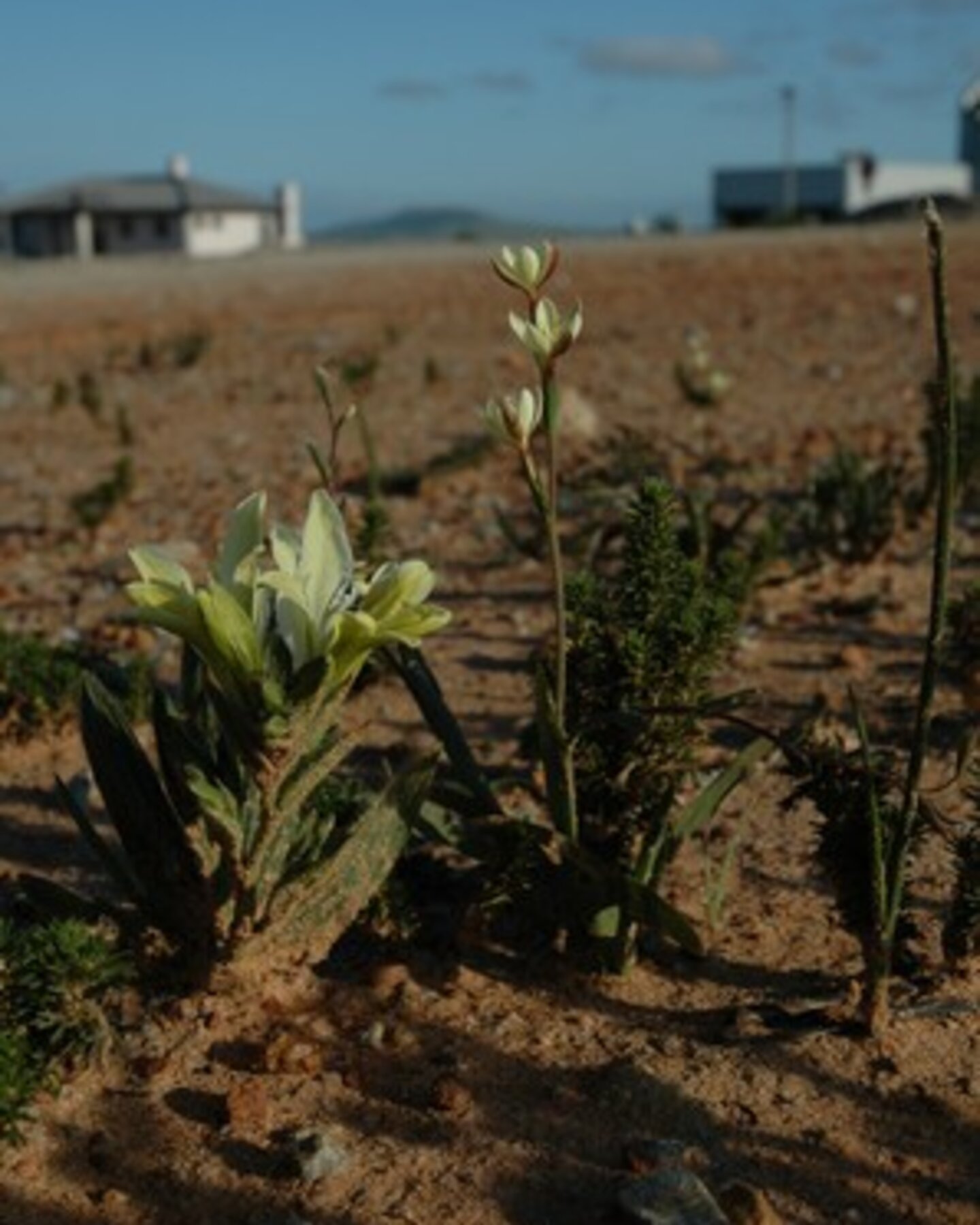
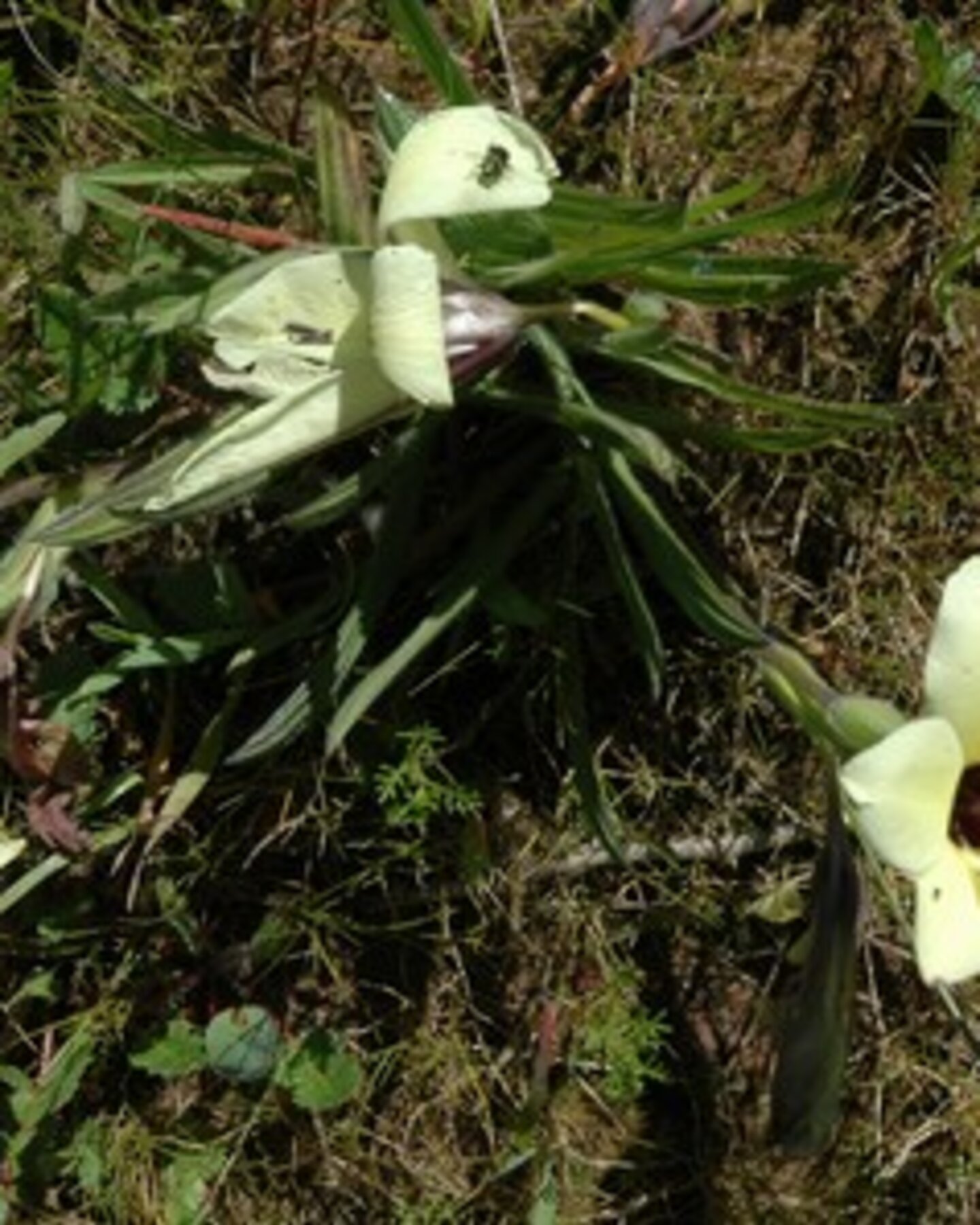
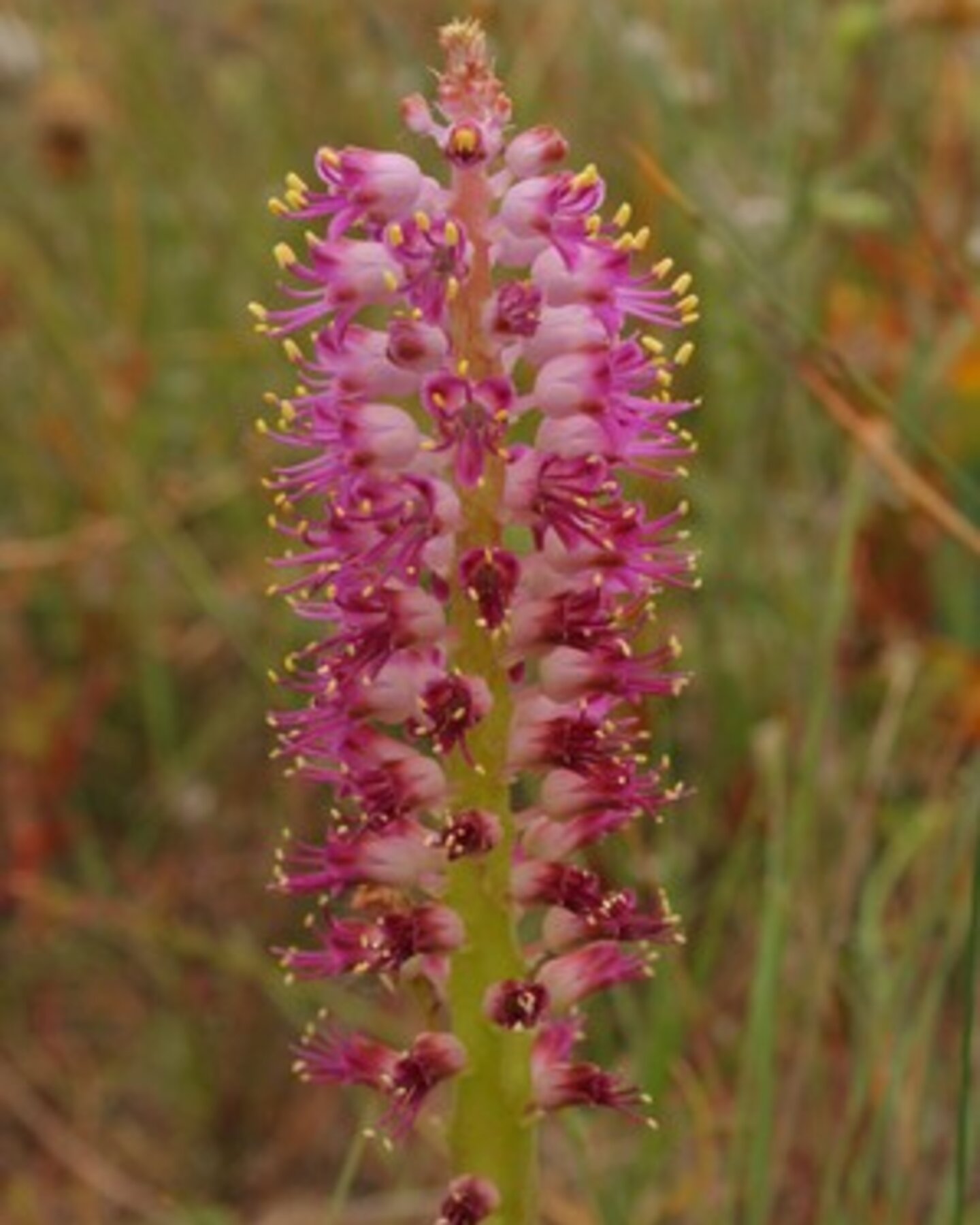
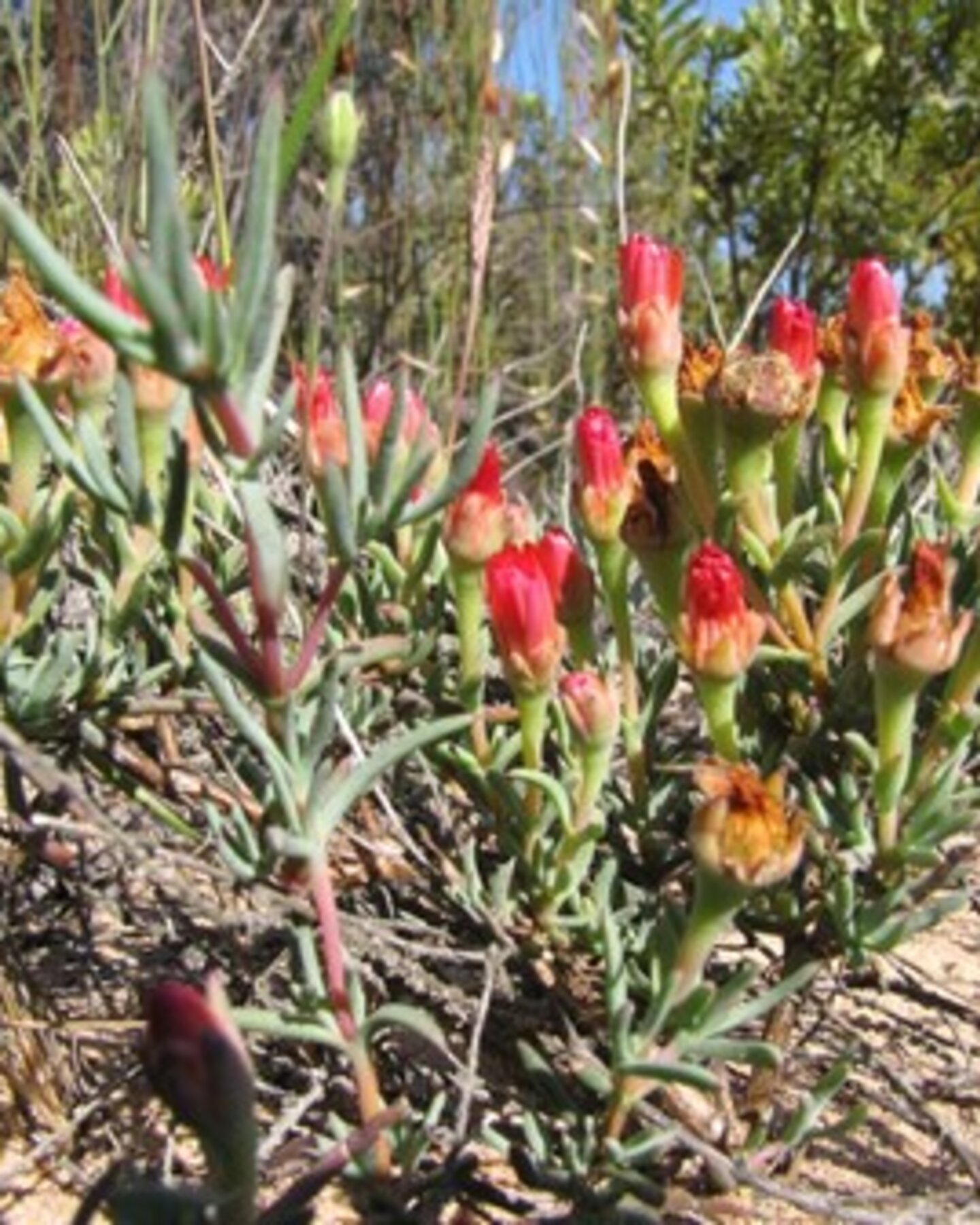
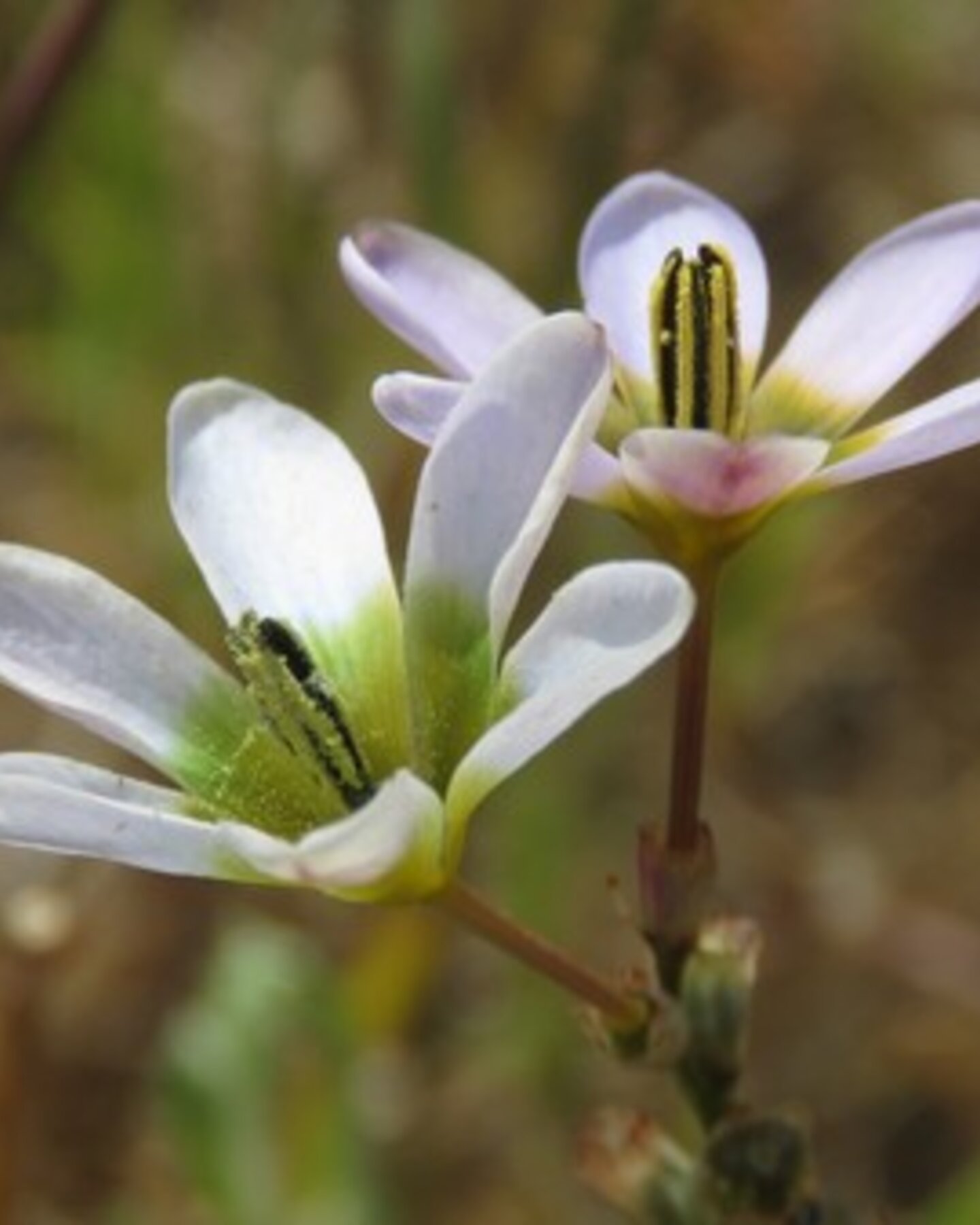
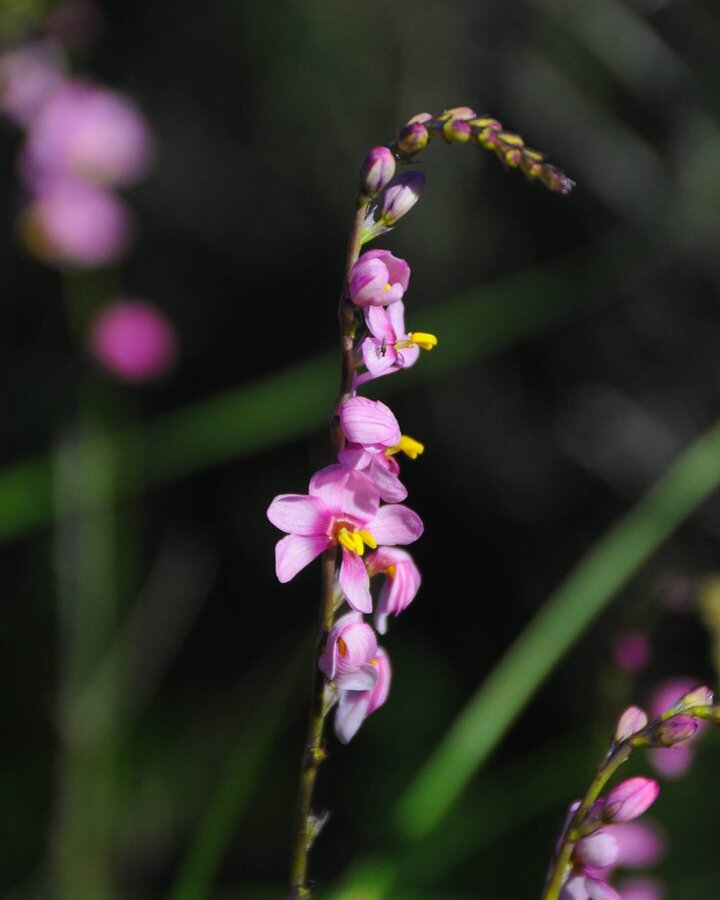
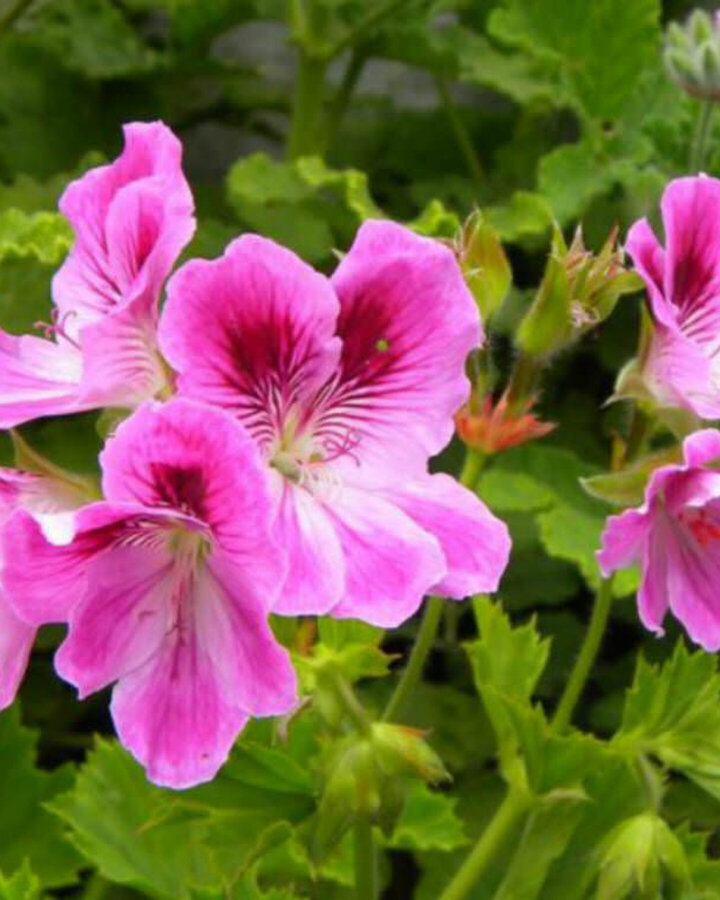
Indicator Species of a Highly Threatened Vegetation System
Threatened Species
Partnerships & Reserves
Our conservation work is deeply rooted in close collaboration with several key reserves and local landowners who play an essential role in safeguarding Darling’s wildflower heritage. Conservation in this region has never been the work of a single organisation; it has always depended on shared stewardship, long-term commitment, and respect for the land.
Each reserve contributes uniquely to the protection of threatened habitats, from ancient Renosterveld remnants and Sandveld ecosystems to geophyte-rich seasonal wetlands that burst into colour each spring. These landscapes are part of the globally significant Cape Floral Kingdom and support an extraordinary concentration of endemic species — many found nowhere else on earth.
Through ongoing partnerships, the Society supports responsible land management practices, ecological monitoring, habitat restoration initiatives, and public access that encourages appreciation without compromising ecological integrity. Local farmers and private landowners remain vital custodians of biodiversity, maintaining fragments of natural vegetation that form important ecological corridors between protected areas.
Waylands Wildflower Reserve
A historic private reserve at the very heart of Darling’s botanical story, Waylands has protected precious fragments of Renosterveld for generations. As one of the landscapes most closely associated with the early years of the Darling Wildflower Society, it continues to embody the spirit of conservation that shaped the region’s identity. Each spring, its rolling veld transforms into one of the most celebrated flower displays in the Swartland, drawing visitors to witness dense carpets of annuals, bulbs, and endemic species that flourish in this carefully stewarded habitat. Waylands remains both a symbol of continuity and a living example of private conservation done with integrity and vision.
Oudepost Reserve
A family-managed landscape rooted in long-term custodianship, Oudepost is renowned for its exceptional diversity of geophytes and bulb species. Its soils support intricate seasonal cycles that produce delicate and often rare flowering plants, many of which are highly sensitive to disturbance. Through conservation-conscious farming practices and a deep respect for natural veld, Oudepost preserves habitat mosaics that are increasingly scarce in the region. The reserve demonstrates how generational land stewardship can successfully balance agricultural productivity with the protection of botanical richness.
Tienie Versfeld Reserve (SANBI)
Managed by the South African National Biodiversity Institute, this publicly accessible reserve is a small but extraordinary remnant of Swartland Renosterveld. Despite its modest size, Tienie Versfeld supports a remarkable concentration of plant diversity, including numerous endemic and threatened species. It provides invaluable opportunities for scientific research, ecological monitoring, environmental education, and quiet appreciation of intact veld. For many visitors, it serves as an accessible gateway into understanding the complexity and beauty of Darling’s floral ecosystems.
Contreberg Farm
An active working farm committed to conservation agriculture and ecological responsibility, Contreberg represents the evolving relationship between productive landscapes and biodiversity protection. Through habitat restoration initiatives, responsible grazing management, and the careful protection of natural veld patches, the farm sustains an impressive range of plant species within a living agricultural system. Its approach illustrates how conservation and farming can coexist — strengthening ecological resilience while maintaining the cultural and economic fabric of the region.
Together, these landscapes protect hundreds of wildflower species, including many that are locally endemic and found nowhere else on Earth. Their combined conservation efforts form the backbone of Darling’s ecological resilience and the long-term survival of its floral heritage. Through partnership, stewardship, and shared responsibility, they ensure that the wildflowers of Darling continue to bloom — not only for a season, but for generations to come.
Caring for our Flowers
Stay Connected
Book Tickets

Our Impact
What donations support
• Conservation work, veld care, invasive control, and monitoring rare species.
• Education and outreach, including guided walks & school programmes.
• Research and documentation with SANBI and local botanists.
• Basic operational needs that keep the Society active and effective.
- +27 68 151 5692
- info@darlingwildflowers.org.za
- P.O. Box 18, Darling
- 7345, South Africa