About Us
The Darling Wildflower Society
(Est) 1915
Flora & Conservation
Discover the Wildflower Show
History
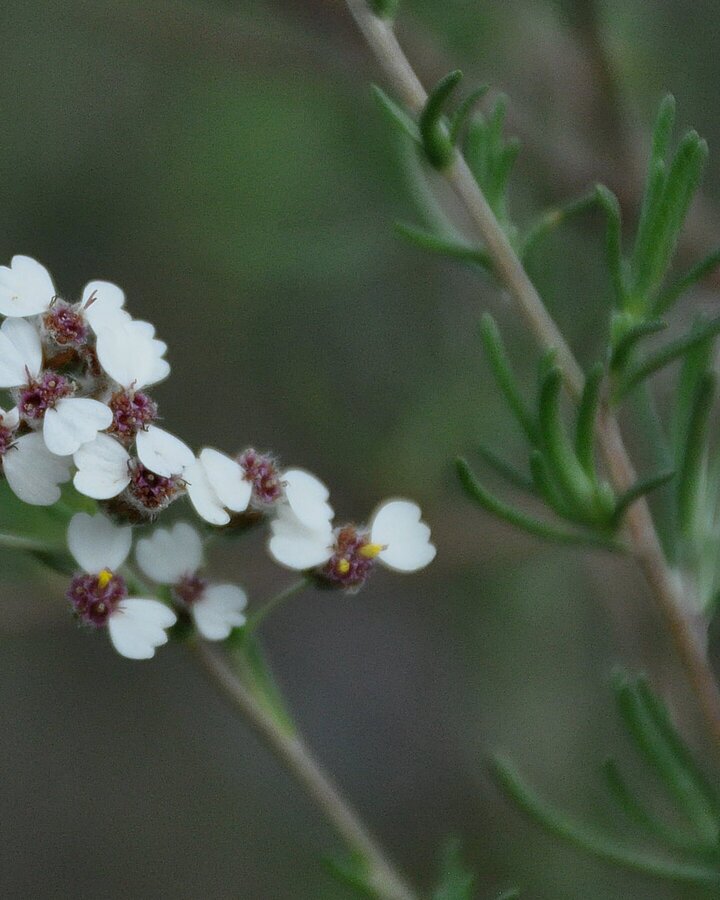
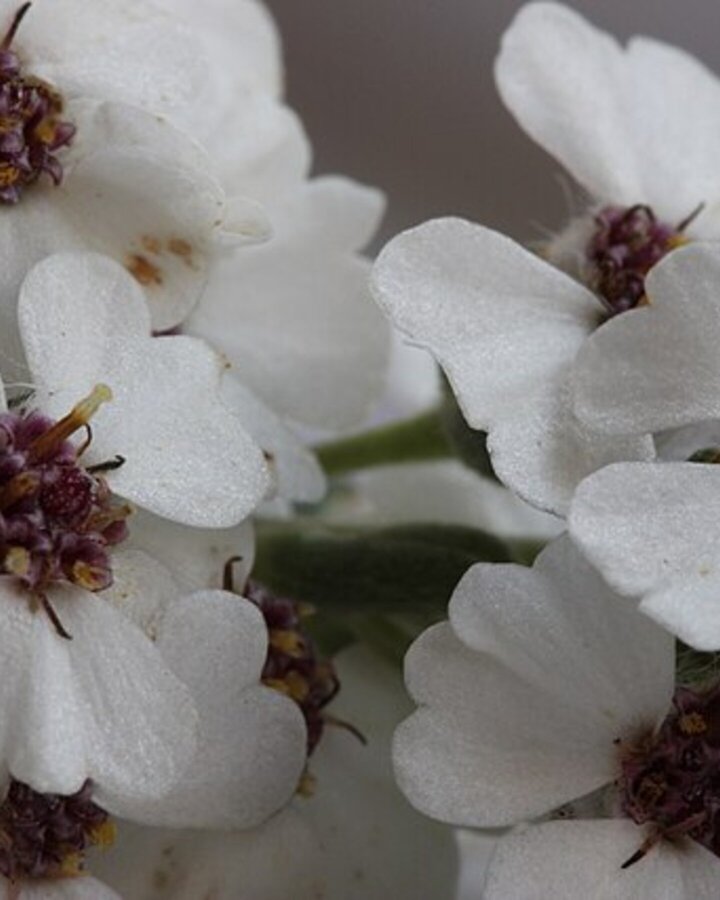
For more than a century, the Darling Wildflower Society has been woven into the life of our community. Formally established in 1915, the Society was founded by Suzanne Malan, wife of a local pastor, and Frederick Duckitt, owner of Waylands Farm. Together with a small group of botanically minded residents, they recognised both the beauty and fragility of the Darling district’s extraordinary floral diversity and sought to celebrate — and safeguard — it.
Inspired by the spectacular spring displays across the region’s Renosterveld and Sandveld landscapes, the founders aimed not only to share this natural wealth with visitors, but also to encourage responsible stewardship among farmers and landowners. In its early years, the Society helped document local plant species, promoted sustainable picking practices, and laid the groundwork for what would become the Darling Wildflower Show — first formally held in 1917 and now one of the Western Cape’s most treasured botanical traditions.
As agriculture and development expanded through the mid-20th century, the Society increasingly became an advocate for conservation. Its efforts contributed to the protection of significant natural areas, including Darling Groeneweide, Waylands Wildflower Reserve, and the renowned Tienie Versfeld Reserve. These spaces remain vital refuges for threatened Renosterveld and Sandveld habitats within the globally significant Cape Floral Kingdom.
Today, the Darling Wildflower Society continues this legacy as a volunteer-driven, community-rooted organisation. Beyond hosting the annual Wildflower Show, the Society promotes ecological awareness, supports habitat restoration, encourages botanical education, and fosters partnerships that strengthen conservation across the region.
What We Do
Mission:
To promote the appreciation, conservation and sustainable use of Darling’s unique flora and natural heritage through education, community involvement and responsible stewardship.
Vision:
A community that values and protects the biodiversity of the West Coast, ensuring that the natural beauty of Darling’s flowers continues to inspire future generations.
COMMUNITY:
To encourage meaningful participation by residents, volunteers and visitors through guided activities, collaborative projects, and shared initiatives that support local biodiversity.
HABITAT RESTORATION
To support the recovery of threatened ecosystems through active restoration, invasive-species management, and long-term conservation focused on preserving Darling’s natural landscapes.
Wildflower Society Committee & Volunteers
The Society is run by volunteers who dedicate their time and expertise to planning the Wildflower Show, managing conservation projects, and maintaining links with local partners
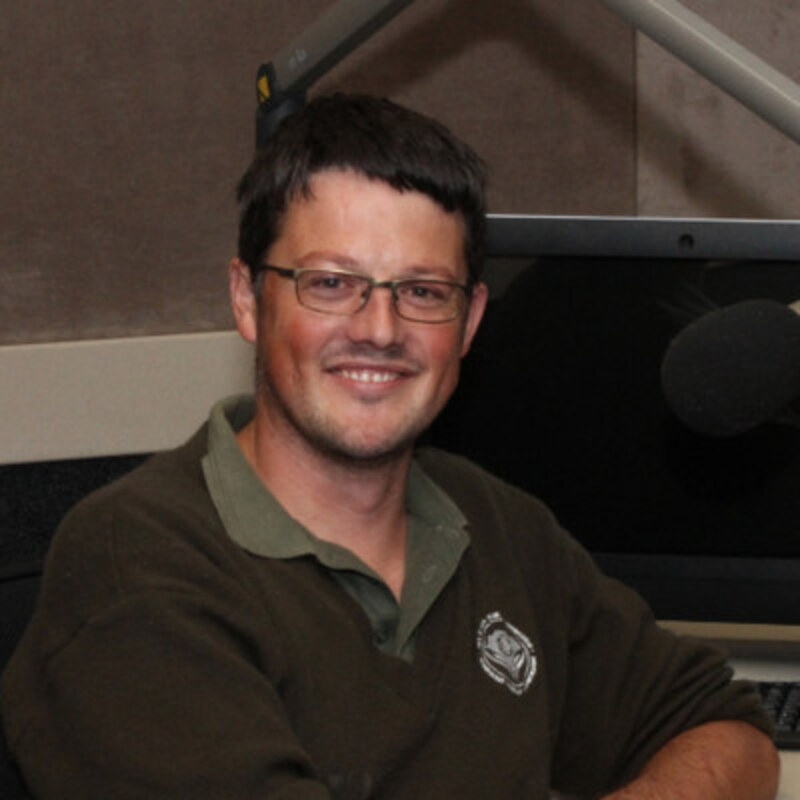
Jacques van der Merwe
Chair Person
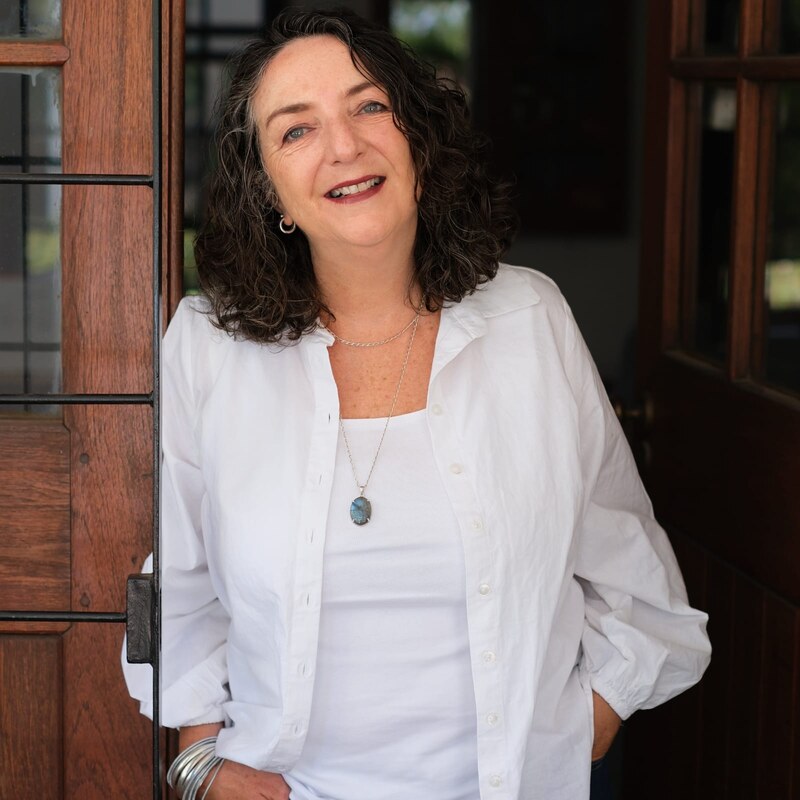
Andrea East
Secretary & Membership

Charles Duckitt
Vice Chair & Show co-ordinator
Julian Howe -Dreyer
Treasurer
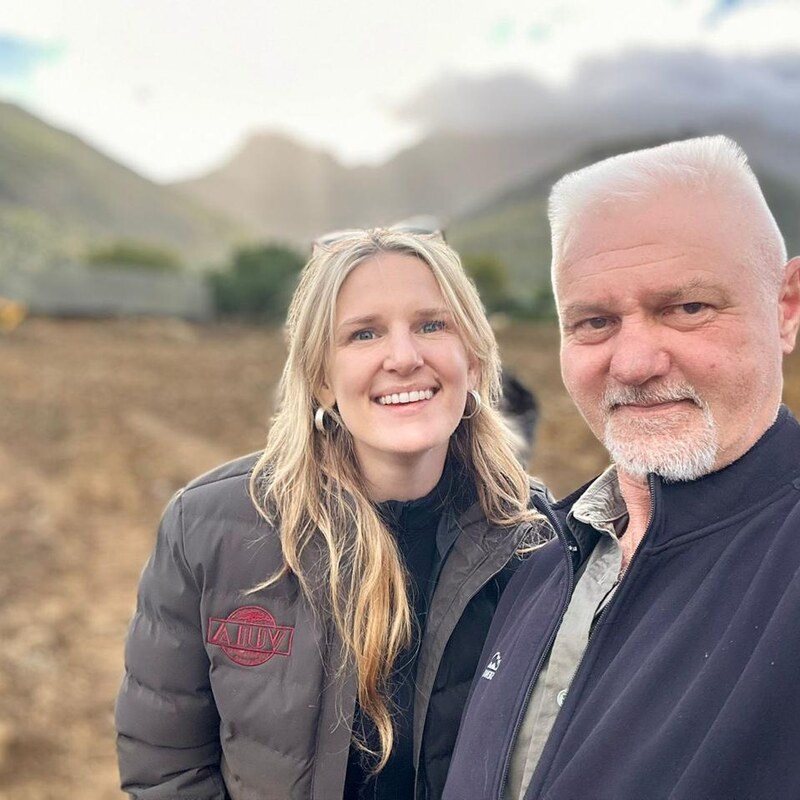
Deon van Eeden & Keir Menschy
Conservation/ Show Design
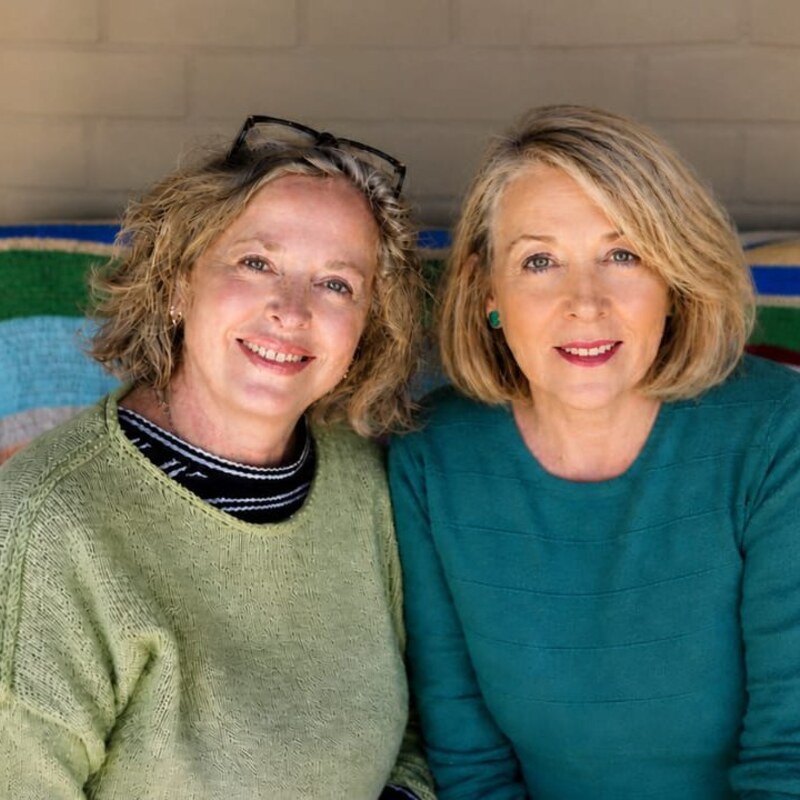
Caron da Silva & Mary Ashford
Marketing / Education
Bessie Visser
Agricultural Advisor

Collet Dodkins
Botanical Consulant
Partnerships & Reserves
Our conservation work is deeply rooted in close collaboration with several key reserves and local landowners who play an essential role in safeguarding Darling’s wildflower heritage. Conservation in this region has never been the work of a single organisation; it has always depended on shared stewardship, long-term commitment, and respect for the land.
Each reserve contributes uniquely to the protection of threatened habitats, from ancient Renosterveld remnants and Sandveld ecosystems to geophyte-rich seasonal wetlands that burst into colour each spring. These landscapes are part of the globally significant Cape Floral Kingdom and support an extraordinary concentration of endemic species — many found nowhere else on earth.
Through ongoing partnerships, the Society supports responsible land management practices, ecological monitoring, habitat restoration initiatives, and public access that encourages appreciation without compromising ecological integrity. Local farmers and private landowners remain vital custodians of biodiversity, maintaining fragments of natural vegetation that form important ecological corridors between protected areas.
Waylands Wildflower Reserve
A historic private reserve at the very heart of Darling’s botanical story, Waylands has protected precious fragments of Renosterveld for generations. As one of the landscapes most closely associated with the early years of the Darling Wildflower Society, it continues to embody the spirit of conservation that shaped the region’s identity. Each spring, its rolling veld transforms into one of the most celebrated flower displays in the Swartland, drawing visitors to witness dense carpets of annuals, bulbs, and endemic species that flourish in this carefully stewarded habitat. Waylands remains both a symbol of continuity and a living example of private conservation done with integrity and vision.
Oudepost Reserve
A family-managed landscape rooted in long-term custodianship, Oudepost is renowned for its exceptional diversity of geophytes and bulb species. Its soils support intricate seasonal cycles that produce delicate and often rare flowering plants, many of which are highly sensitive to disturbance. Through conservation-conscious farming practices and a deep respect for natural veld, Oudepost preserves habitat mosaics that are increasingly scarce in the region. The reserve demonstrates how generational land stewardship can successfully balance agricultural productivity with the protection of botanical richness.
Tienie Versfeld Reserve (SANBI)
Managed by the South African National Biodiversity Institute, this publicly accessible reserve is a small but extraordinary remnant of Swartland Renosterveld. Despite its modest size, Tienie Versfeld supports a remarkable concentration of plant diversity, including numerous endemic and threatened species. It provides invaluable opportunities for scientific research, ecological monitoring, environmental education, and quiet appreciation of intact veld. For many visitors, it serves as an accessible gateway into understanding the complexity and beauty of Darling’s floral ecosystems.
Contreberg Farm
An active working farm committed to conservation agriculture and ecological responsibility, Contreberg represents the evolving relationship between productive landscapes and biodiversity protection. Through habitat restoration initiatives, responsible grazing management, and the careful protection of natural veld patches, the farm sustains an impressive range of plant species within a living agricultural system. Its approach illustrates how conservation and farming can coexist — strengthening ecological resilience while maintaining the cultural and economic fabric of the region.
Together, these landscapes protect hundreds of wildflower species, including many that are locally endemic and found nowhere else on Earth. Their combined conservation efforts form the backbone of Darling’s ecological resilience and the long-term survival of its floral heritage. Through partnership, stewardship, and shared responsibility, they ensure that the wildflowers of Darling continue to bloom — not only for a season, but for generations to come.
A Letter from the Board
Welcome to the Darling Wildflower Society. Since our founding in 1915, we have been driven by a simple but enduring purpose: to celebrate, conserve, and share the remarkable wildflowers and biodiversity of the Darling area and the greater Cape Floral Kingdom. What began over a century ago as a community-led initiative has grown into a proud tradition of botanical appreciation, ecological stewardship, and cultural expression.Every spring, visitors from across South Africa and beyond come to experience the beauty of our wildflower displays and the rich tapestry of ancient fynbos species that make this region unique. Our annual Darling Wildflower Show brings these landscapes to life through landscaped exhibitions, guided walks, talks and community events — all designed to deepen awareness and understanding of our natural heritage.
But our work continues year-round. As a volunteer-run, not-for-profit organisation, we invest in conservation, education and community engagement initiatives that protect threatened habitats, support local partnerships, and open doors for people of all ages to learn about and enjoy our floral diversity. Guided walks, reserve stewardship projects, school outreach, and citizen-science collaborations are just some of the ways we strive to make a lasting positive impact.
We recognise that conservation is a collective endeavour. It thrives on participation, curiosity and shared responsibility. To everyone who has supported us — whether as a member, volunteer, partner, visitor or donor — we extend our sincere gratitude. Your commitment helps ensure that Darling’s wildflower heritage is not just admired each September, but understood, protected and passed on.
We invite you to explore our site, learn about our projects and events, and join us in celebrating the beauty and resilience of nature. Together we honour a legacy that has flourished for over a century, and together we nurture its promise for generations to come.
— Board of the Darling Wildflower Society
Caring for our Flowers
Stay Connected
Book Tickets

Our Impact
What donations support
• Conservation work, veld care, invasive control, and monitoring rare species.
• Education and outreach, including guided walks & school programmes.
• Research and documentation with SANBI and local botanists.
• Basic operational needs that keep the Society active and effective.
- +27 68 151 5692
- info@darlingwildflowers.org.za
- P.O. Box 18, Darling
- 7345, South Africa